Experienced traders are constantly searching for instruments that provide flexibility, leverage, and the potential to capitalise on both rising and falling markets. One such instrument that has gained significant attention is the Contract for Difference, or CFD.
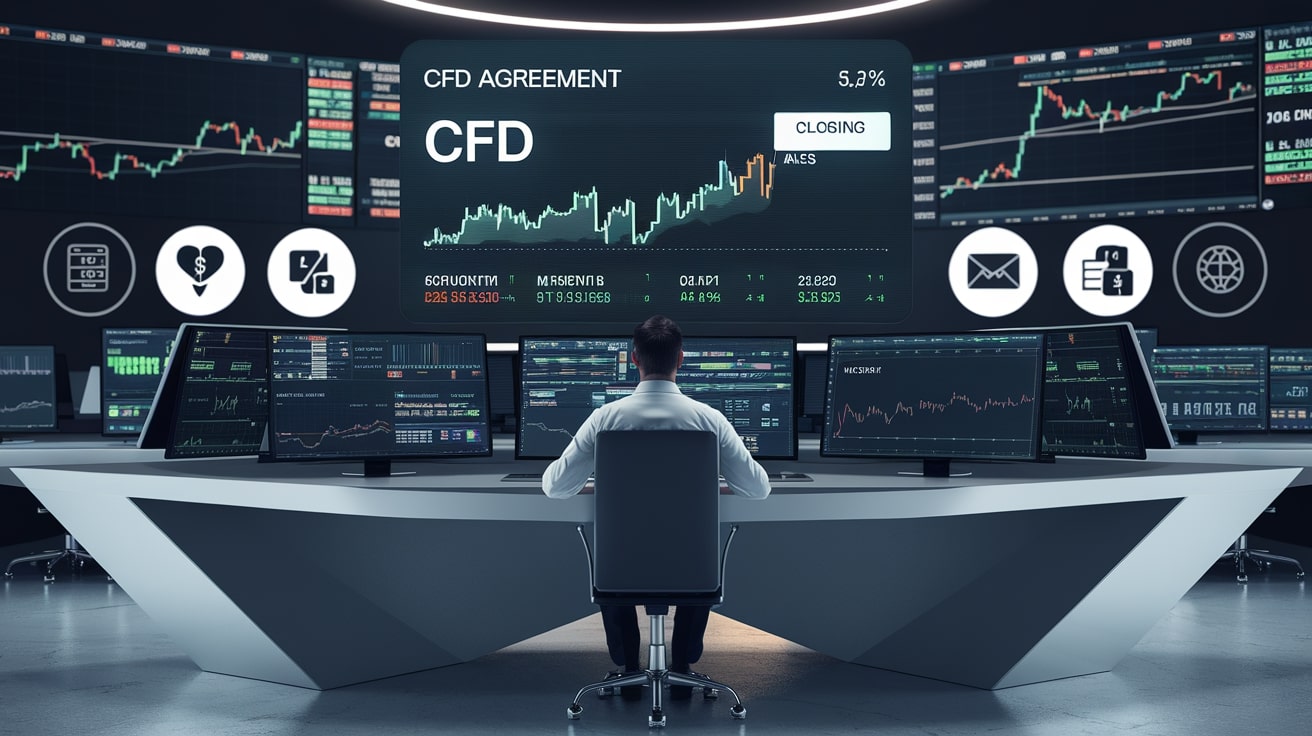
Unlike traditional investing, which often requires ownership of the underlying asset, CFDs allow traders to speculate on price movements without holding the asset itself. This distinction makes CFDs an attractive option for seasoned market participants looking for agility and strategic versatility.
Understanding CFDs and Their Appeal
At its core, a Contract for Difference is an agreement between a trader and a broker to exchange the difference in the value of an asset from the time the contract is opened to when it is closed. This simple concept belies a world of strategic possibilities. Traders can use CFDs to gain exposure to a wide range of financial instruments, including stocks, commodities, indices, and forex, without the need to actually own these assets.
One of the most compelling advantages of CFDs is leverage. By using margin, traders can open positions that are much larger than their actual capital. While this amplifies potential gains, it also increases potential losses, which is why risk management is crucial. Experienced traders often employ stop-loss orders, position sizing, and hedging strategies to mitigate risks while still taking advantage of the leverage that CFDs offer.
How Experienced Traders Approach CFD Trading
Professional traders do not rely solely on speculation; their approach is methodical and research-driven. Technical analysis plays a central role in CFD trading. By studying price charts, patterns, and indicators, traders can identify trends and potential entry and exit points. Experienced traders often combine technical insights with fundamental analysis, considering factors such as economic data, company earnings, or geopolitical events that may influence market movements.
Another key strategy is diversification. Even within the realm of CFDs, seasoned traders avoid concentrating their exposure on a single asset or sector. By trading multiple instruments, they can spread risk and increase the likelihood of finding profitable opportunities in various market conditions.
Additionally, CFD traders often exploit the ability to go short or profit from declining prices. This flexibility sets CFDs apart from traditional investing, where profits generally rely on the appreciation of an asset’s value. Being able to take advantage of both bullish and bearish market conditions allows experienced traders to navigate volatility with agility and precision.
Risk Management and Strategic Planning
While CFDs provide exciting opportunities, they are not without risks. Leverage, while advantageous, can amplify losses just as quickly as gains. This makes risk management a critical aspect of any successful CFD trading strategy. Traders use tools like stop-loss and take-profit orders to protect capital and secure profits. Stop-loss orders automatically close positions when a market moves against a trader’s expectations, helping to prevent catastrophic losses, while take-profit orders lock in gains when predetermined targets are reached.
Experienced traders also understand the importance of maintaining a disciplined trading plan. This includes defining risk tolerance, setting realistic profit targets, and establishing rules for entering and exiting trades. Emotional control is another essential element. The fast-moving nature of CFD markets can provoke impulsive decisions, but seasoned traders maintain discipline, making decisions based on analysis and strategy rather than emotion.
Leveraging CFDs Across Asset Classes
One of the most appealing aspects of CFDs for experienced traders is the versatility across asset classes. CFDs can be used to trade individual equities, global indices, commodities like oil or gold, and currency pairs. This diversity enables traders to respond to a broad range of market conditions and opportunities. For instance, a trader might take a long position on a stock index showing strong upward momentum while simultaneously shorting a commodity experiencing a downtrend.
This ability to construct complex strategies across multiple markets is part of what makes CFDs a preferred tool among professional traders. Furthermore, because CFDs can be traded 24/5 in many markets, they offer continuous opportunities for engagement and strategic adjustments based on evolving market conditions.
Learning the Mechanics: CFD How It Works
For those who are curious about the operational side, understanding CFD and how it works is essential. At a basic level, the trader selects an underlying asset, decides on the size of the position, and chooses whether to go long (buy) or short (sell). The difference between the opening and closing prices, adjusted for any applicable fees, determines the profit or loss.
Beyond this, traders must grasp margin requirements, overnight financing costs, and the impact of leverage on both potential returns and risks. Mastering these technical aspects allows traders to fully leverage the flexibility of CFDs while maintaining control over exposure and risk.
Conclusion
CFDs offer a unique blend of flexibility, leverage, and opportunity that appeals to experienced traders. Their ability to profit from both rising and falling markets, combined with access to a wide range of asset classes, makes them a versatile tool in a professional trader’s toolkit. However, the potential for high rewards comes with equally significant risks, making education, discipline, and risk management indispensable components of successful CFD trading.
For traders willing to commit to research, planning, and continuous skill development, CFDs represent more than just a financial instrument—they are a gateway to sophisticated strategies and dynamic market participation.